Welcome To The Somatic Breathwork Facilitator Apprenticeship Training Prospectus
"I felt this pull to breathwork and I didn't even know much about it... [Now] I do feel more confident in being able to help people through their own experience with breathwork. This has helped me gain more clarity for myself too."
Kamillah Gray
Somatic Breathwork Facilitator Graduate
Hi, I'm Joe Mirarchi
I help therapists add breathwork as a tool into their practice so they can better help their clients do this too.
Long before I began teaching breathwork or meditation, my work was already centered around human development.
I began my career teaching mathematics and later moved into school leadership, helping launch and lead educational communities in Texas, Philadelphia, and California. From there, I entered the startup and education technology world, working across operations, growth, and organizational leadership to help build teams and mission-driven companies.
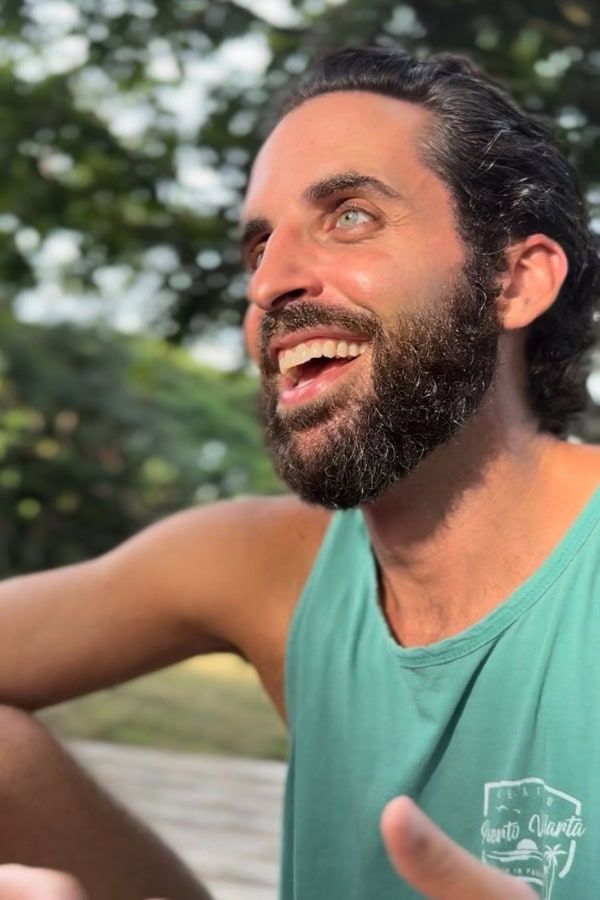
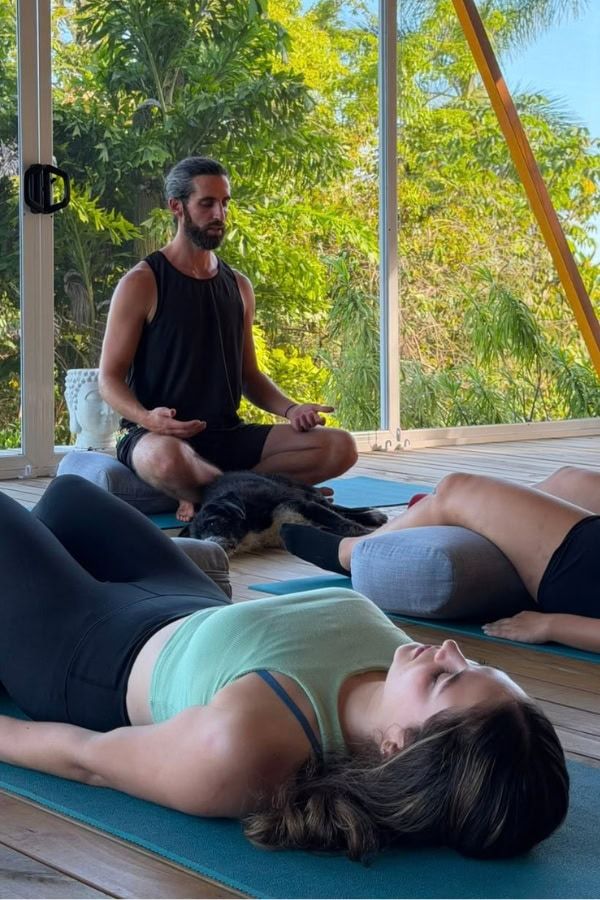
Today, my work brings together my background in education, leadership, breathwork, meditation, and contemplative practice around one central question: How does what we know become how we live?
That is the question at the heart of integration and the work that became The Clear Path and that is what I'm here to help you and your clients discover too.
I look forward to guiding you on this path. Learn more about the apprenticeship below and please don't hesitate to reach out if you have any questions.
Either email me at joe@clearpathjourney.com or
"...it's one powerful tool that she said just takes away her craving entirely at the end of the day... [She think's] "I've earned this" and this would lead to a night of overindulging. What a wonderful thing that she now looks forward to breathing at night because she knows it will help her."
Denise Rowell
LMHC and Founder of Soulful Counsel
Work At Your Own Pace Over Six Months With Regular Support
This is a six-month apprenticeship rather than simply an online certification course.
Each module combines self-paced learning with personal practice, live teaching, practicum, and progressive facilitation experience.
We meet on Zoom twice monthly: one live teaching/practice session and one experiential practicum.
This apprenticeship has been designed to give you plenty of time to absorb, practice and integrate this work with personalized support at every step of the way.
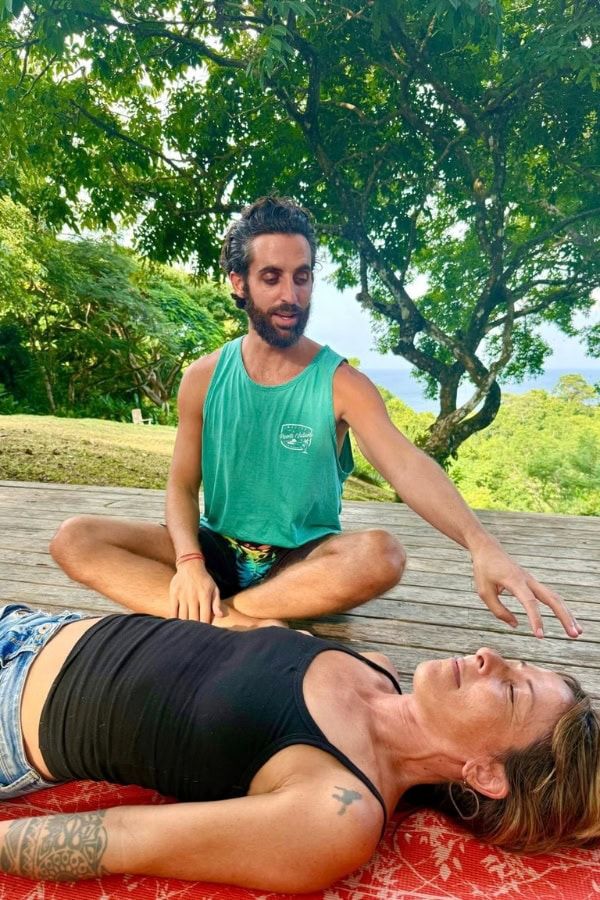
Design And Facilitate Breathwork Experiences To Guide Clients Confidently
By the end of the six-month Facilitator Apprenticeship, you will have progressed from experiencing breathwork primarily as a participant to being able to design and facilitate a complete breathwork experience with greater understanding, discernment, and confidence.
Upon completion of this training, you will:
- Understand the physiological, nervous-system, consciousness, and yogic foundations behind the practices you use.
- Know how to select and adapt techniques based on participant state.
- Recognize common contraindications and safety considerations; and understand how to work with consent, pacing, language, emotional and somatic intensity, meditation, and integration.
"There's knowing it and then there's doing it. And I think having that right combination of the two made the course very practical and effective... It offered a new dimension that I didn't have before."
Sunny
Apprentice & Yoga Teacher
Develop Your Own Approach To Breathwork Experiences
But you won't just learn to copy techniques from me!
Most importantly, you will develop your own facilitation language and approach through repeated teaching, practice, feedback and personal embodiment rather than simply learning a prescribed script or breathwork technique.
And we don't leave you before you start teaching. Get support while you're guiding others.
The apprenticeship culminates with you guiding a complete breathwork experience and beginning to bring the work into a community or context where you feel called to serve.
You will also have the option to practice teaching inside our community to get feedback and hone your skills as a facilitator.
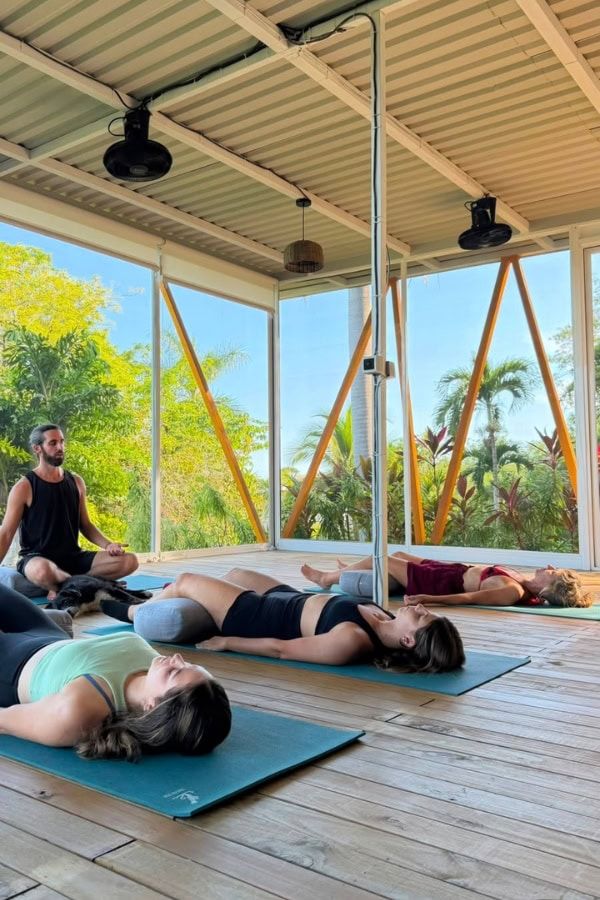
How The Learning is Structured
This apprenticeship combines self-paced microlearning, direct instruction, experiential practice, application, and mentorship with Joe Mirarchi. Each of the five modules follows the same structure:
Context
Understand the physiology, nervous system, consciousness, yogic principles, and facilitation frameworks behind the practice.
Experience
Experience the techniques directly through guided breathwork, pranayama, meditation, and embodied practice.
Action
Begin applying what you're learning immediately through teaching, technique selection, script development, and facilitation practice.
Evaluation
Check your understanding of the core concepts and principles before progressing.
Reflection
Integrate what you've learned with what you've experienced and consider how it informs your developing practice as a facilitator.
"Breathwork wasn't something I believed in or understood at all...There was a huge part of me that was like this probably isn't going to work. Then I had my own personal experiences [at Joe's Costa Rica retreat]... And it provided a sense of calm that I hadn't felt before and allowed me to have a different understanding of myself."
Kristina Miller
Therapist & Somatic Breathwork Facilitator Graduate
Module 1: Introduction and Breathwork Foundation
By the end of Module 1, you will be able to:
- Describe breathwork as a cross-cultural practice used to alter physiological state and perception.
- Explain how conscious breathing influences the heart–lung–brain system and why this makes breath a powerful tool for state change.
- Identify shared physiological mechanisms, including rhythm, depth, retention, and attention, across different breathwork traditions.
- Explain the roles of oxygen and carbon dioxide in shaping sensation, blood flow, and conscious experience during breathwork.
- Describe how breathing uniquely bridges autonomic regulation and conscious control.
- Articulate why understanding physiological cause and effect is more important than simply memorizing breathwork techniques.
Module 2: Core Physiology for Facilitators
By the end of Module 2, you will be able to:
- Differentiate functional and dysfunctional breathing patterns based on observable physiological markers.
- Explain how nasal breathing, diaphragmatic movement, and breathing rate affect gas exchange and nervous system state.
- Interpret CO₂ tolerance using the BOLT score and explain what it can indicate about baseline breathing patterns and respiratory function.
- Explain the Bohr Effect and how CO₂ levels influence oxygen delivery to tissues and the brain.
- Describe how breath-induced changes in pH and hormetic stress can shape participant responses during breathwork practices.
Module 3: Nervous System and Consciousness Dynamics
By the end of Module 3, you will be able to:
- Explain how inhalation and exhalation differentially influence sympathetic and parasympathetic nervous system activity.
- Describe how breathing patterns affect heart rate variability (HRV) and overall autonomic flexibility. Identify common autonomic states (including activation, regulation, and shutdown) and explain how breath can support safe transitions between them.
- Explain how breathwork can influence perception and brain activity through physiological mechanisms rather than through the forced pursuit of altered states.
- Apply a polyvagal-informed framework to understand pacing, sequencing, and regulation during breath-led state shifts.
Module 4: Yogic Principles
By the end of Module 4, you will be able to:
- Describe the yogic energetic framework (including the koshas, nāḍīs, and chakras) in grounded, functional language appropriate for facilitation rather than belief or doctrine.
- Differentiate core categories of prāṇāyāma, including balancing, energizing, cooling, and cleansing practices and explain their general effects on nervous system state and energetic flow.
- Select appropriate prāṇāyāma techniques based on observable participant states such as activation, depletion, agitation, or shutdown.
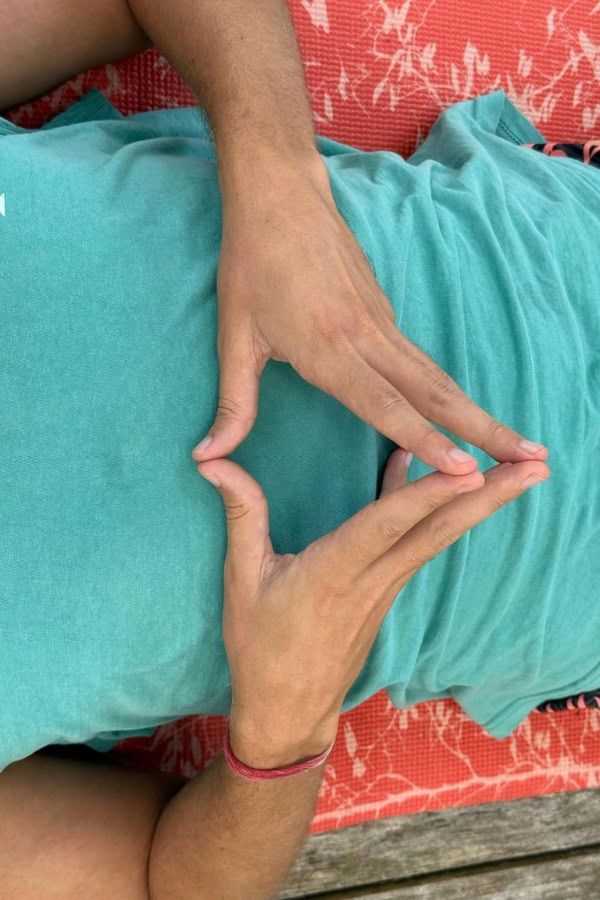
- Explain the roles of mudrās, bandhas, and kumbhaka as tools that can refine or amplify the effects of breath practices rather than as standalone techniques.
- Apply discernment and safety principles when introducing energetic tools, particularly activating practices and breath retention, prioritizing regulation over intensity.
Module 5: Facilitation Essentials
By the end of Module 5, you will be able to:
- Create and hold a safe facilitation container that includes clear boundaries, informed consent, participant choice, and agency.
- Identify common contraindications and risk factors and adapt breathwork practices to individual needs without unnecessary exclusion.
- Guide breathwork sessions using appropriate tone, language, pacing, and session arc, moving intentionally from grounding through activation, release, and integration.
- Respond appropriately to intense physical sensations or emotional release without fixing, diagnosing, interpreting, or unnecessarily escalating the experience.
- Use music, silence, and guided cues intentionally to support nervous system regulation and post-session integration.
- Demonstrate facilitator integrity through clarity of intention, appropriate scope of practice, ethical conduct, and professional boundaries.
"Unlike weekend crash courses, this training provides real depth, integration, and safety. There is an incredible level of integrity here that makes you feel confident holding space."
Wendy
Somatics Yoga Coach
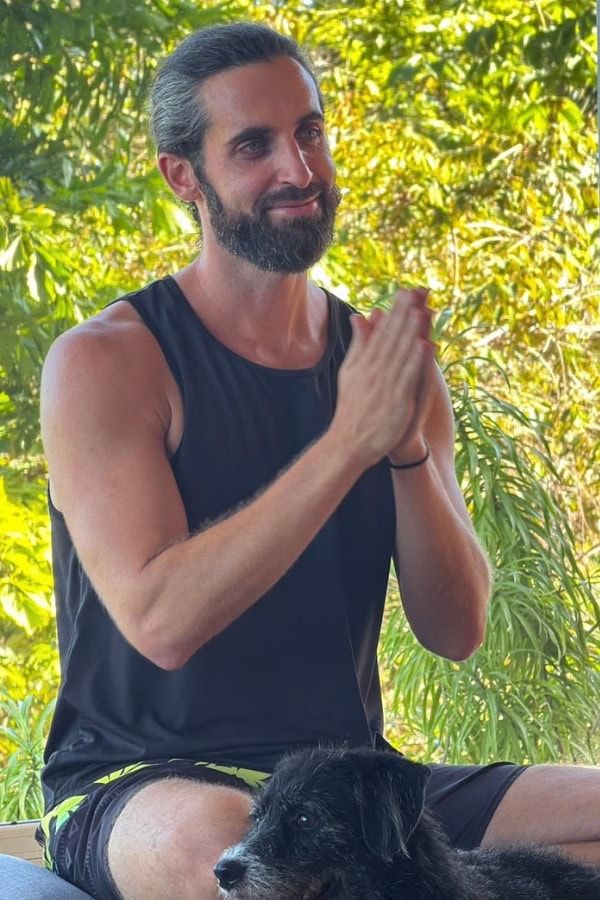
Created by a Teacher For The Best Learning Experience
Application begins in Module 1. Trainees aren't expected to consume months of theory before they start practicing. From the beginning, you will be explaining concepts in your own language, working directly with the techniques and progressively developing your facilitation skills.
The self-paced curriculum allows you to move through shorter, focused lessons on their own schedule, while twice-monthly live sessions with Joe provide direct teaching, mentorship, experiential practice, practicum, feedback, and personalized application.
Across six months, the level of application progressively expands: from understanding and teaching individual concepts and techniques to designing and facilitating a complete breathwork experience.
Learn Through An Embodied Experience
You will also gain immediate access to The Integration Collective (Usually $249 a month), which is designed to help you deepen your understanding of and experience the integration process.
Inside, you will find:
- Guided breathwork and meditation practices (both live via Zoom and on-demand)
- Clear self-study structures to follow
- Community
- And additional coaching
All designed to help bring insight from your practices and translate them into everyday life.
This isn't just a nice bonus to have; this is the key!
The apprenticeship isn't based on learning techniques intellectually and then applying them to other people. Trainees are expected to continue developing their own relationship with the practices they're learning to facilitate.
After all, we can empathize with people but the best place to guide and teach from is one of experience.
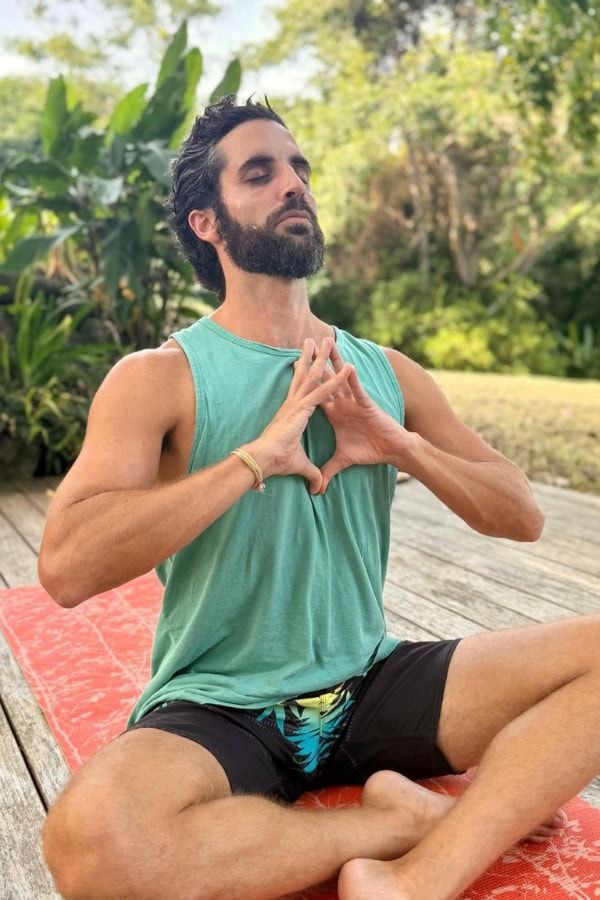
"We have really fun conversations, we make jokes, we learn from each other and then we can take moments and space to turn inward and that's been a really, really special part of my life. It's really expanded the way that I now think about self-integration."
Shreya Malhotra
Microsoft Sr. Product Manager
Ready to get enroll?
Whether you have questions first, or just want to see if we vibe; find a call time that works for you to get started. If none of the pre-set times suit reach out to joe@clearpathjourney.com.
Frequently Asked Questions (FAQ)
How is this different from other breathwork trainings?
Many breathwork trainings focus primarily on techniques, protocols, or creating powerful experiences. At The Clear Path, you'll learn how to facilitate breathwork safely and confidently but the training goes beyond the breathing session itself.
You'll develop your own relationship with the breath, practice facilitating in real time, receive personalized feedback, and learn to work with nervous system regulation, meditation, and integration.
You'll also participate in the Integration Collective for six months, giving you the opportunity to experience the integration process personally while learning how to support it professionally.
The goal isn't simply to learn how to create an experience. It's to understand what happens afterward.
Do I receive a certificate at the end?
Yes. Graduates who complete the apprenticeship requirements receive a Clear Path Breathwork and Integration Facilitator Certification.
Is the course accredited?
There is currently no single global accrediting body governing breathwork facilitator certification in the way licensed professions are regulated.
For that reason, our emphasis isn't simply on completing content or collecting a credential. Participants develop their own practice, facilitate in real time, receive individualized feedback, and demonstrate their ability to work with the breath safely and responsibly.
Certification recognizes the completion of that developmental process.
Who is this program for?
This apprenticeship is designed for therapists, coaches, yoga teachers, wellness practitioners, retreat facilitators, healthcare professionals, and others who want to develop a deeper relationship with the breath.
Some participants want to integrate breathwork into their existing professional work. Others are preparing to facilitate breathwork more directly or want to deepen their own personal practice.
The apprenticeship is designed to support both personal development and skilled, responsible facilitation.
Do I have to attend the live Zoom components?
Breathwork can't be learned through content alone.
Working privately allows the training to adapt to your experience, goals, personal practice, and development as a facilitator.
You'll have opportunities to practice facilitating in real time, receive individualized feedback, ask questions as they arise, and refine how you work with different techniques and nervous system states.
Knowing what to do is different from developing the presence and discernment to know when, why, and how to do it.
Why does the training emphasize integration?
Because the experience itself isn't necessarily the integration.
Breathwork can surface emotion, insight, sensation, memory, and expanded states of consciousness. But a powerful experience doesn't automatically translate into lasting change.
Integration is what happens afterward: how what was experienced begins to influence our practices, patterns, choices, relationships, behavior, and daily lives.
That's why integration isn't simply a module at the end of the apprenticeship. It's woven throughout the training, and every participant also spends six months in The Integration Collective experiencing the process firsthand.
What is the Integration Collective, and why is it included?
The Integration Collective is The Clear Path's six-month integration program built around consistent practice, self-study, community, and application.
Alongside your private apprenticeship, you'll deepen your own breathwork and meditation practice and explore how awareness becomes embodied over time.
It's included because supporting integration requires more than understanding it intellectually.
You experience the process personally while learning how to support it professionally.
In the Integration Collective you will get to spend more contact hours with Joe (live breathwork weekly) to see and experience the core technique being taught.
And you will get clearer on your offering and what you are stepping into e.g. Why breathwork? Why somatic breathwork, specifically? Why are you curious about trauma and where patterns are held in the bottom, and how come people stay stuck looping in traditional therapeutic modalities like talk therapy?
You will incorporate your lived experience through self-study and practice to cultivate your own relationship with breathwork and its role in integration for your clients.
This portion of the apprenticeship makes the training lived, felt and more real.
You will also have the option to practice teaching here to hone your skills as a facilitator.
The training teaches you how to facilitate the work. The Integration Collective gives you a place to live the work.
Is this a spiritual or clinical training?
The apprenticeship draws from contemporary understandings of breath physiology and nervous system regulation alongside contemplative and somatic traditions.
You'll explore physiology, pranayama, meditation, facilitation, nervous system states, awareness, embodiment, and integration.
The training does not require participants to adopt a particular spiritual belief system, nor does certification qualify someone to practice psychotherapy or provide clinical treatment outside their existing professional scope.
The practices can be applied within a range of personal and professional settings according to each participant's existing training and scope of practice.
Will I learn how to develop scripts, music, and guided breathwork journeys?
Yes. Learning the breathing techniques is only one part of learning how to facilitate.
Throughout the apprenticeship, you'll explore how music, pacing, language, imagery, visualization, meditation, and silence can work together to shape the arc of a breathwork experience.
You'll begin with foundational frameworks for structuring a session and developing guided journeys, then experiment with different themes and approaches as your own facilitation style develops.
The goal isn't to give you a library of scripts to repeat. It's to help you understand the elements of a journey well enough to develop your own relationship with the process and create experiences that feel authentic to the way you facilitate.
We also pay particular attention to what happens as the active breathing ends. Meditation, stillness, reflection, and integration can be some of the most important parts of a session and help create the bridge between what someone experiences during breathwork and what happens afterward.
What opportunities exist after this apprenticeship?
The apprenticeship and Integration Collective together provide an extended foundation for personal practice, facilitation, and integration. For some participants, that provides what they need to begin incorporating breathwork into their existing work or facilitating independently within their appropriate scope.
Others choose to continue through Costa Rica immersions or advanced private mentorship as they deepen their practice, facilitation, leadership, and work in service to others.
The goal is not to create dependence on another training. It's to develop the foundation from which your own practice and work can continue to evolve.
"It was challenging for me. I had a lot of personal loss... And so breathing this deeply in a way but in a very profound way was really difficult. It was great that you were able to come to help me.
And so, from a personal point of view, I was releasing stuff and that was really helping me understand what it could do for a client if I applied to to my work as a therapist."
Daniela Nardini
CBT Therapist
"It was a breathwork training, but it is so much more than that. Joe holds a safe, nurturing, and highly flexible container that serves as a catalyst for true therapeutic transformation."
Travis Woodmansee
Professional Therapist
Ready to get started?
Book a call so we can make sure this is the right step for you >>
Thank you for taking the time to explore this brochure. Please don't hesitate to reach out via email or by booking a call if you have any further questions.
“These breathwork sessions were powerful, safe and deeply integrative, expanding my confidence as a clinician and my capacity to guide clients without overwhelm.”
Investment
$5000
One-time fee, USD.
Payment Plans Available.
- Self-paced to work in your own time over six months
- Personalized support in practice and client work
- Integration Collective Included ($1496 if paid separately)
- Experiential learning